
How to Create High-Quality Content Consistently: Beginner-Friendly Guide
Learn how students can create high-quality content consistently using simple techniques, tools, and strategies. A complete beginner-friendly guide to planning, writing, optimizing, and publishing better content every day.
Table of Contents
1. What is High-Quality Content?
High-quality content simply means content that solves the reader’s problem clearly, simply, and effectively.
For students, high-quality content means:
- Easy to understand
- Well-researched
- Engaging
- Helpful
- Organized
- Original and plagiarism-free
- SEO friendly
When a reader finishes your content and feels satisfied, THAT is high-quality content.
Why Beginners Struggle With Quality
Most students struggle because they:
- Don’t know how to start
- Overthink writing
- Lack structure
- Write without research
- Try to copy others instead of building their style
This guide will fix all of that—step by step.
2. Why Consistency Matters for Students
Consistency is the biggest factor that separates average writers from great writers.
Benefits of Staying Consistent
- Builds confidence
- Improves writing skills
- Attracts more readers
- Increases chances of earning through content
- Helps with discipline
- Enhances creativity
If you can write just 300–500 words every day, you’ll see huge improvement in 30 days.
3. Step-by-Step Process to Write High-Quality Content
This section explains the exact beginner-friendly workflow used by top creators.
Step 1: Choose One Clear Topic
Most beginners pick topics randomly.
Instead, choose:
✓ A topic you understand
✓ A topic people are searching for
✓ A topic you can explain easily
Example:
How to Create High-Quality Content Consistently
This solves a real problem, so it naturally performs better.
Step 2: Do Quick Research (10 Minutes Max)
Don’t spend hours researching.
Just follow the 10-minute method:
- Search your topic on Google
- Open 3–4 results
- Note:
- Key points
- Statistics
- Common questions
- Missing information
Your content must answer EVERYTHING that other articles missed.
Step 3: Create a Simple Outline
A beginner-friendly outline:
- Introduction
- Problem
- Solution
- Steps
- Tips
- Tools
- Common mistakes
- Conclusion
Writing becomes 10x easier when you have a structure.
Step 4: Write the First Draft Fast (Don’t Edit Yet)
Students waste time trying to make the first draft perfect.
DON’T edit while writing.
Just write freely:
- No grammar worries
- No perfection
- No stopping
The goal is to get ideas out of your brain and onto the screen.
Step 5: Edit Like a Pro
Now slow down and polish your writing.
Edit using this checklist:
- Remove unnecessary sentences
- Break long paragraphs
- Add examples
- Add a friendly tone
- Fix grammar
- Make it skimmable
This is how your content becomes readable and engaging.
Step 6: Optimize Your Content (SEO Step)
SEO isn’t complicated for beginners.
Place focus keyword in:
- Title
- First paragraph
- 2–3 subheadings
- Meta description
- URL
- Image alt text
Focus keyword: High-Quality Content
Example keyword usage:
“Here’s how to create high-quality content even as a beginner.”
Avoid keyword stuffing.
Step 7: Add Visuals
High-quality content needs visuals.
Types of visuals:
- Feature image
- Infographics
- Screenshots
- Step-by-step illustrations
Images improve clarity and boost reader engagement.
Step 8: Add Internal Links
Your website menus saved in memory:
✔ Blogging & SEO
✔ Guides
✔ Students
✔ Comparisons
So your internal link suggestion for this post:
“Read our complete guide on How to Improve Writing Skills for Students
Step 9: Proofread Once More
Read your article as if you are a reader visiting your site for the first time.
Ask:
✓ Is this clear?
✓ Does this solve the problem?
✓ Is it helpful?
✓ Does it flow smoothly?
If yes → publish.
4. Writing Techniques Used by Top Content Creators
Here are writing methods professionals use—even beginners can copy these.
Technique 1: The AIDA Method
- Attention
- Interest
- Desire
- Action
Good for introductions.
Technique 2: The PAS Formula
- Problem
- Agitate
- Solution
Great for explaining student pain points.
Technique 3: The Inverted Pyramid
Start with the most important information, then explain details.
Technique 4: Short Sentences + Easy Words
High-quality content = easy to understand.
Avoid long, complicated sentences.
5. Tools Students Can Use to Create High-Quality Content
These tools help students produce better content faster.
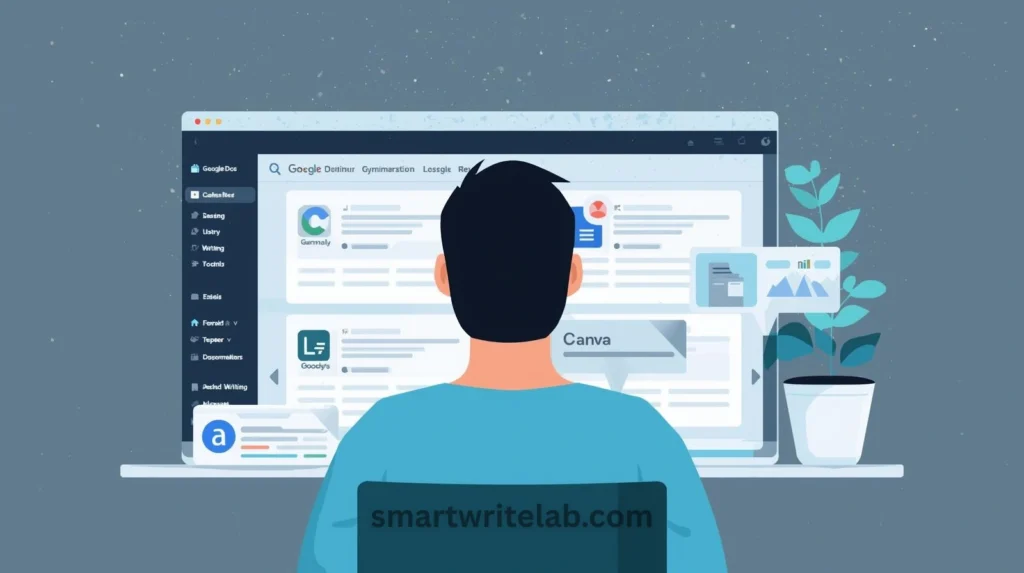
Writing Tools
- Google Docs
- Notion
- Grammarly
- Hemingway Editor
SEO Tools
- Google Keyword Planner
- Ubersuggest
- AnswerThePublic
Design Tools
- Canva
- Figma (for advanced students)
Research Tools
- Google Scholar
- Statista
- Wikipedia (for basic info)
Using tools doesn’t make you less creative—it makes you faster.
6. How to Maintain Consistency Without Stress
Students often quit because they feel overwhelmed.
Tip 1: Write Small Daily
Just 10 minutes daily builds massive progress.
Tip 2: Keep a Topic List
Maintain a list of 50 topic ideas so you don’t waste time.
Tip 3: Follow One Writing Template
Don’t use 10 different styles.
Tip 4: Use Pomodoro Technique
25 minutes writing + 5 minutes break
Perfect for students.
Tip 5: Don’t Compare Yourself
Write for progress—not perfection.
7. Common Mistakes Students Should Avoid
Avoid these to instantly improve your content:
❌ Copying others
❌ Writing without research
❌ Using complicated words
❌ Writing long paragraphs
❌ Ignoring SEO
❌ Publishing without editing
❌ Writing only when you “feel motivated”
Success comes from habit, not motivation.
8. High-Quality Content Checklist (Printable Style)
Before publishing, check:
- Title is clear and interesting
- Focus keyword added naturally
- Simple introduction
- Organized subheadings
- Short sentences
- Research included
- No grammar mistakes
- Visuals added
- Internal links added
- Conclusion added
If all boxes are checked → your content is ready.
9. FAQs
Q1. How can students write high-quality content daily?
Write for just 10–20 minutes daily, follow an outline, and avoid perfectionism.
Q2. Do I need advanced English to write high-quality content?
No. Simple English performs better because readers understand it easily.
Q3. Can beginners create SEO-friendly content?
Yes. Just use your focus keyword naturally in headings and important places.
Q4. How long should high-quality content be?
Minimum 1500 words. For strong results, 2500+ words works best.
Q5. Can I write content on a phone?
Absolutely. Tools like Google Docs and Grammarly make it easy.
10. Final Thoughts
Creating high-quality content consistently is not difficult—students just need the right system.
With clear steps, a simple outline, good research, SEO basics, and regular practice, any beginner can become a strong content creator.
Remember:
Quality + Consistency = Success




Heard some buzz about this b29.bet apk. Gonna give it a try and see if it lives up to the hype! Fingers crossed for smooth gameplay. Check it out here: b29.bet apk