Best On-Page SEO for Beginners: Simple Optimization Guide for Clean Google Rankings
Many new bloggers want to understand On-Page SEO for Beginners, but most tutorials seem complicated or robotic. This guide keeps it simple, friendly, and practical so you can optimize your content naturally and help your pages rank without overthinking it. Good on-page SEO focuses on structure, clarity, and the right placement of your main keyword; nothing more.
1. Understand What On-Page SEO for Beginners Really Means
If you’re new to optimization, begin by understanding the basic concept. On-Page SEO for Beginners focuses on improving the content and elements within your pages so that search engines can clearly understand what your article is about. This includes headings, text flow, keyword placement, images, and links. When these components function well together, your content becomes easier to index and more useful for readers.
2. Use a Strong and Clear Focus Keyword
A good focus keyword informs search engines about the main topic of your post.
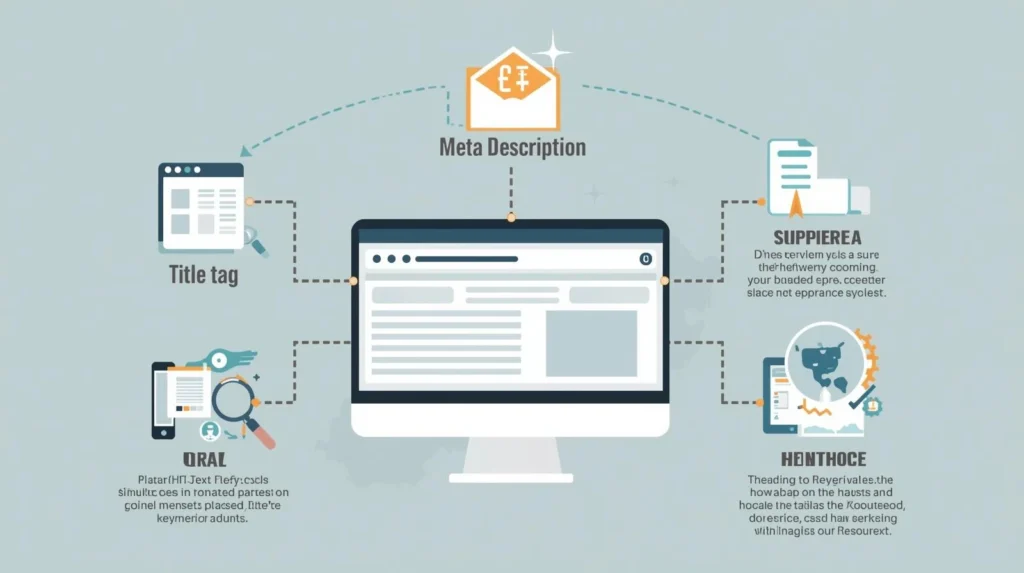
For On-Page SEO for Beginners, your keyword should appear in:
- Title
- URL
- Meta Description
- First paragraph
- H2 or H3 headings
- Image alt text
- Naturally, in the content (about 2.5%)
Never force your keyword—your goal is to help the reader while keeping search intent clear.
3. Write Simple, Clean, and Helpful Content
Beginners often try to do too much, but the best On-Page SEO for Beginners strategy is to focus on clarity.
Use:
- Short paragraphs
- Bullet points
- Examples
- Smooth flow
- Real explanations
When your content feels natural and helpful, search engines automatically trust it more.
Check this: 7 Powerful Blogging Tips for Beginners to Grow Fast in 2026
4. Use Proper Headings for Structure
Headings help make your content easy to scan and organise.
For On-Page SEO for Beginners, break your article into sections using H2 and H3 tags to cover topics step-by-step.
Search engines rely on headings to grasp the depth of a topic, so ensure each heading aligns with your focus keyword.
5. Add Internal Links Smartly
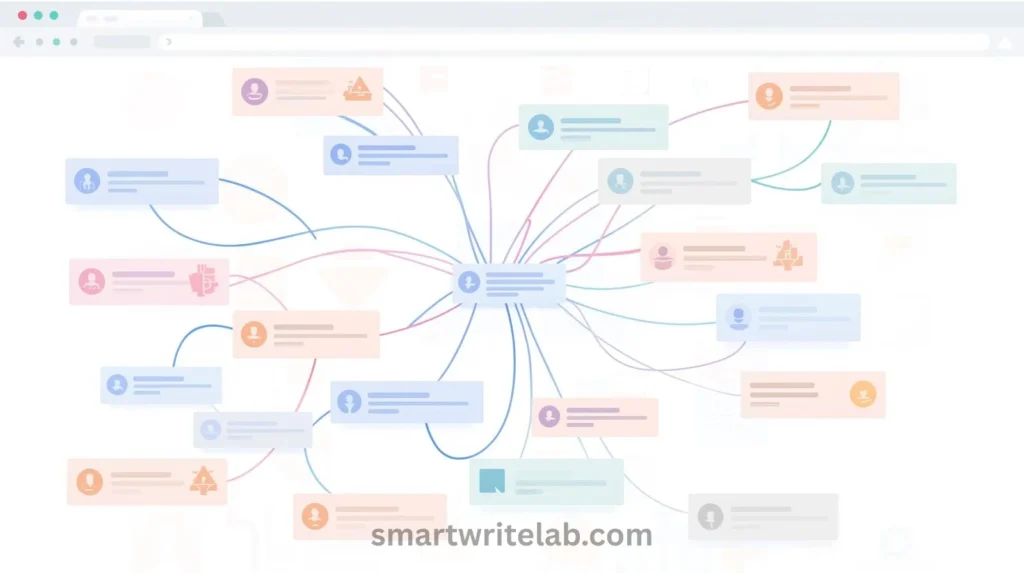
Internal linking is important for On-Page SEO for Beginners. It connects your articles and helps Google understand your site structure.
Use internal links to:
- Related guides
- SEO posts
- Tutorials
- Tool reviews
6. Optimize Images With Correct Alt Text
Image SEO plays a powerful role in On-Page SEO for Beginners.
Use:
- WebP format
- Compressed images
- Descriptive alt text that includes your focus keyword
- Images with proper alt text help accessibility and boost search visibility.
7. Add External Links Naturally
Add 1–2 external links to trusted, authoritative websites. This signals to Google that the content is informative and well-referenced.
Put links in a natural flow.
8. Keep Your URL Short and Clean
A clear URL helps both readers and search engines.
For On-Page SEO for Beginners, a good URL looks like:
/on-page-seo-for-beginners/
Avoid numbers, dates, or unnecessary words.
9. Improve Readability and Engagement
A big part of On-Page SEO for Beginners is writing in a way that keeps readers scrolling.
Use:
- Short sentences
- Subheadings
- Lists
- Real explanations
- Examples
- Good readability makes your content more valuable.
10. End With a Helpful and Clear Conclusion
Always wrap up your content by summarising the main points.
A clean conclusion makes your article feel complete and guides your reader’s next step.
Conclusion
Mastering On-Page SEO for Beginners doesn’t require technical knowledge. When you use the right keyword placement, clear headings, internal links, image optimisation, and a simple structure, your content naturally becomes friendly to search engines. Follow a straightforward process, write humanely, and stay consistent. Your results will follow.
FAQs
1. What is On-Page SEO for Beginners?
It is the process of optimising your content, headings, images, and keywords to make your page more understandable for search engines.
2. How do beginners improve on-page SEO?
Use proper keyword placement, internal linking, clean URLs, and readable content.
3. Should beginners focus more on keywords or content quality?
Both matter, but content quality should always come first.
4. Does image optimisation help in on-page SEO?
Yes, optimised images improve user experience and Google visibility.
5. How much keyword density is good for on-page SEO?
Around 2–3% is enough—never over-optimise.
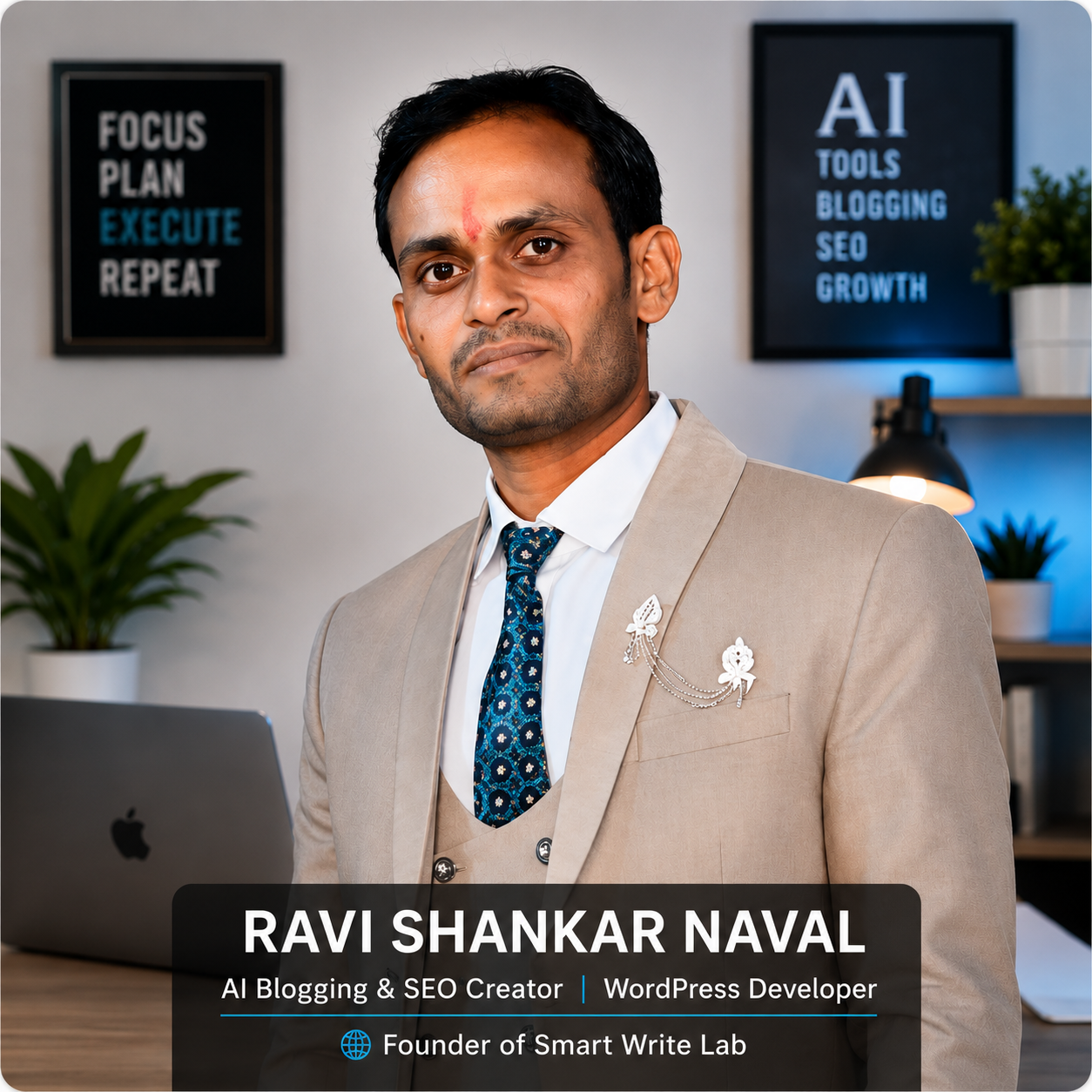
Ravi Shankar Naval is the founder of Smart Write Lab, where he publishes practical content about AI tools, blogging, SEO, and digital growth. His goal is to help beginners and creators learn modern online strategies through simple, helpful, and easy-to-understand tutorials.