Why New Blogs Don’t Get Traffic (Real Reasons New Bloggers Miss)

This is one of the most frustrating situations for new bloggers.
You:
- Publish good articles
- Follow SEO basics
- See impressions in Google Search Console
But traffic doesn’t come.
And then you start wondering:
“If my content is good, why is my new blog not getting traffic?”
The truth is uncomfortable—but important to understand.
In this article, I’ll explain why new blogs don’t get traffic even after publishing good content, what mistakes are not obvious, and what you should realistically do instead of panicking or over-publishing.
This is not a theory. This is how Google actually treats new websites.
Best AI Tools to Improve Google Rankings Without Backlinks (Beginner Guide)
Table of Contents
First Reality Check: “Good Content” Is Not Enough
Most beginners assume:
Good content = traffic
That is not how Google works for new sites.
Google also evaluates:
- Trust
- Consistency
- User behavior
- Site patterns
For a new blog, Google is asking:
“Can I trust this site long-term?”
Until that question is answered, traffic stays limited—even if the content is technically good.
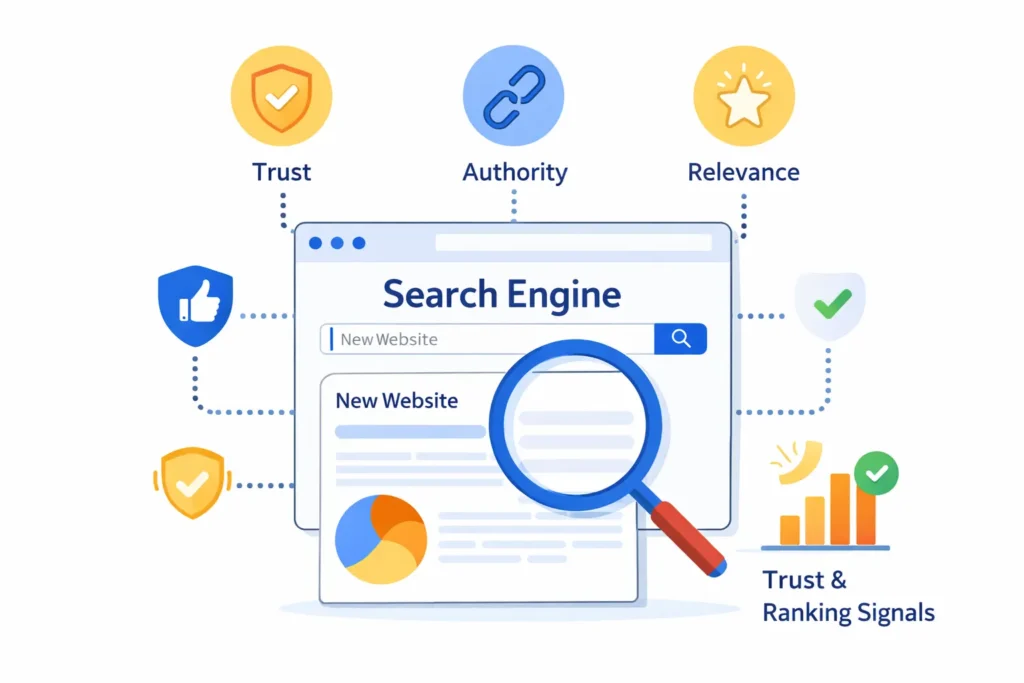
1. Google Doesn’t Trust New Websites Immediately
This is the biggest reason.
New blogs:
- Have no history
- Have no authority
- Have no proven user satisfaction
So Google tests them slowly.
This is why you see:
- Impressions but no clicks
- Rankings fluctuating
- Pages stuck on pages 2–5
This is normal behavior, not a penalty.
2. You’re Writing Informational Content Without Clear Value
Many new blogs publish articles that:
- Explain a topic
- Define concepts
- List features
But they don’t help users decide or act.
Example of low impact:
“What is SEO and how it works”
Example of high impact:
“Why SEO fails for new blogs and what actually works instead”
Google prefers decision-support content, not just explanations.
3. Search Intent Is Slightly Mismatched
Your content may be correct, but the intent may be off.
Common mistake:
- The keyword is informational
- But Google ranks comparison or opinion content
If your article:
- Explains
But Google expects: - Comparison
- Experience
- Pros/cons
Then traffic won’t come, even if ranking exists.
4. Your Blog Looks Like Every Other New Blog
Be honest for a moment.
Does your blog:
- Cover the same topics
- In the same tone
- With the same structure
as 1000 other blogs?
If yes, Google sees no differentiation.
Google wants:
- Angle
- Perspective
- Specific audience focus
Not just “correct information”.
5. Internal Linking Is Weak or Random
New bloggers often ignore internal linking or do it randomly.
This causes:
- Weak topical authority
- Poor content discovery
- Lower crawl priority
Google understands your site through internal links.
If pages are isolated, traffic stays low.
6. You Publish Too Many Posts Too Fast
This sounds counterintuitive.
But publishing:
- 10–15 similar articles quickly
- On overlapping topics
can hurt new blogs.
Why?
Google sees:
“This site is mass-publishing before proving value.”
Quality + time > quantity + speed.
Helpful Content Update Explained: Can AI Content Still Rank on Google?
7. User Signals Are Not Strong Yet
Google silently tracks:
- Click-through rate
- Time on page
- Scroll behavior
New blogs usually have:
- Low CTR
- Short sessions
- Few returning users
This does not mean content is bad — it means Google needs more data. This is exactly why new blogs don’t get traffic in the early stage.

What You Should Do Instead (Action Plan)
1. Stop Writing New Posts for 2 Weeks
Instead:
- Improve the top 5 impression pages
- Add clarity, examples, and opinions
Updating content works faster than publishing new posts. Understanding why new blogs don’t get traffic helps you avoid panic decisions.
2. Add “Human Signals” to Every Article
Add sections like:
- “My experience”
- “Who this is for / not for”.
- “Mistakes beginners make.”
This instantly increases perceived value.
3. Narrow Your Audience Further
Instead of:
“SEO for everyone”
Write for:
“SEO for new bloggers with no backlinks”
Specific audiences grow faster.
4. Improve Titles for CTR, Not Keywords
A ranking with no clicks = no traffic.
Bad:
“AI Tools for SEO”
Better:
“AI Tools That Actually Help New Blogs Rank”
CTR matters more than position. One major reason new blogs don’t get traffic is a lack of trust signals.
How to Create High-Quality Content Consistently (Beginner-Friendly Guide)
5. Be Patient (But Not Passive)
Traffic usually looks like:
- Month 1: Almost zero
- Month 2: Small impressions
- Month 3–4: First real clicks
- Month 6+: Stability
New blogs grow slowly but suddenly.
What NOT to Do (Very Important)
Don’t delete posts in panic
Don’t rewrite everything
Don’t chase high-volume keywords
Don’t copy competitors blindly
These actions often delay growth further.

Final Truth New Bloggers Must Accept
If your blog is new and not getting traffic, it usually means:
Google is still observing, not rejecting.
The sites that win are not the ones that publish the most, but the ones that:
- Improve existing content
- Stay consistent
- Add real human value
Final Advice
If you:
- Keep improving
- Focus on users, not tools
- Avoid shortcuts
Traffic will come.
Slowly at first.
Then suddenly.
If you understand why new blogs don’t get traffic, you can focus on long-term growth instead of short-term frustration.